12 Native Plants of Lenapehoking
A List of New Jersey* Native Plants and
Their Significance to the Lenape People
*Also includes parts of what is now known as New York, Pennsylvania, and Delaware; all unceded land of the Lenape
Orientation
Native plants are species and communities of plants that have lived in relationship with the land and its inhabitants, long before European settlers arrived. Not only do native species “come from here” (wherever you are), their very DNA has been shaped by the regional and local environment. From the amount of annual rain to how long a growing season lasts, plants not introduced by colonists (on purpose or accidentally) have adapted characteristics alongside the land and other living organisms over thousands of years.* This is why native plants are considered a more sustainable choice than non-native plants; less maintenance and more return.
In addition to their beauty, utility, habitat, nourishment, and alchemical way of turning sunlight into oxygen and carbohydrates… plants have always been our greatest teachers. And who better to know the secrets of these wise sages than the Native people who grew alongside and built relationships with the land?
The Native people from wherever you are have existed so long because of the relationships they share with the soil, water, plants, berries, salmon, deer, moon, sun, and winds.** In an ecological restoration experiment cited by Robin Wall Kimmerer (Braiding Sweetgrass, pg156–166), areas where Native people picked the newly planted sweetgrass outperformed communities that were left alone. Native people are not separate from, but very much a part of their environment and all its systems.
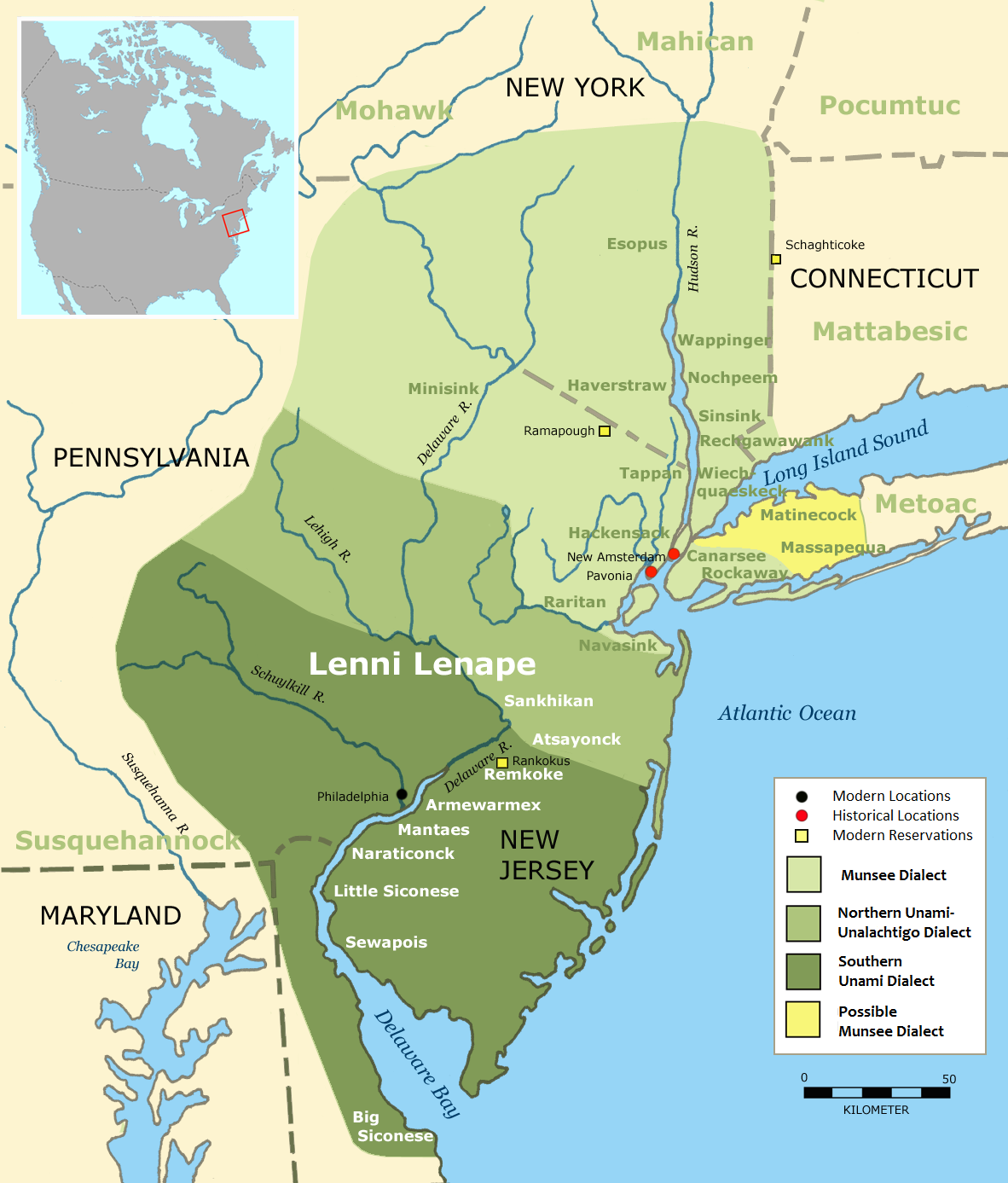
“Lenapehoking is more than just a map of the land,
Lenapehoking is the land, it’s the waters, the rivers, the lakes, even the ocean, all of the cosmos, all of our connection with the earth, the waters, the sky, the animals, all life, the mountains, the ancient ones, the ones that have the ancient memory, all of these things, to the Lenape have a spirit.”
Curtis Zunigha, co-director of
The Lenape Center
Below is a very short list of significant plants to the Lenape people, who thrived in many geographies and ecosystems across Lenapehoking (what will eventually be known as New Jersey and parts of New York, Pennsylvania, and Delaware). Since the arrival of Europeans in 1524, far too many of the Lenape were violently and forcibly driven out of Lenapehoking, eventually to reservations in Oklahoma and elsewhere. Many are still living here and working to preserve, restore, and rematriate the land and our relationship with it.
As this sacred and rare knowledge has been passed down through ritual and ceremony for generations, non-native readers are encouraged to approach this knowledge with respect and humility. The information provided is a fraction of the vast and rich relationship the Lenape have shared with this land for thousands of years.
—————
* Invasive plants (“invasives”), on the other hand, are non-native plants that either spread quickly and/or outcompete other neighboring species (i.e., English Ivy, Multiflora Rose). Invasive species generally cause “economic or environmental harm or harm to human health.” National Invasive Species Information Center (Source: Audubon)
Not all non-native species are invasive. Plenty of non-native species are either cultivated by humans (i.e., peppers, tulips, lawn), or have adaptations suitable to local environments while playing nice with their neighbors (i.e., Russian sage, Japanese maple).
—————
** This is a very cursory summary of Lenape spiritualism, culture, ceremony, and history. For more information and to build a relationship with your local Native people and plants, feel free to peruse some of the links below.
12 Plants of Lenapehoking
Medicinal uses listed below should be further researched before attempted, as many plants can be toxic if used incorrectly.
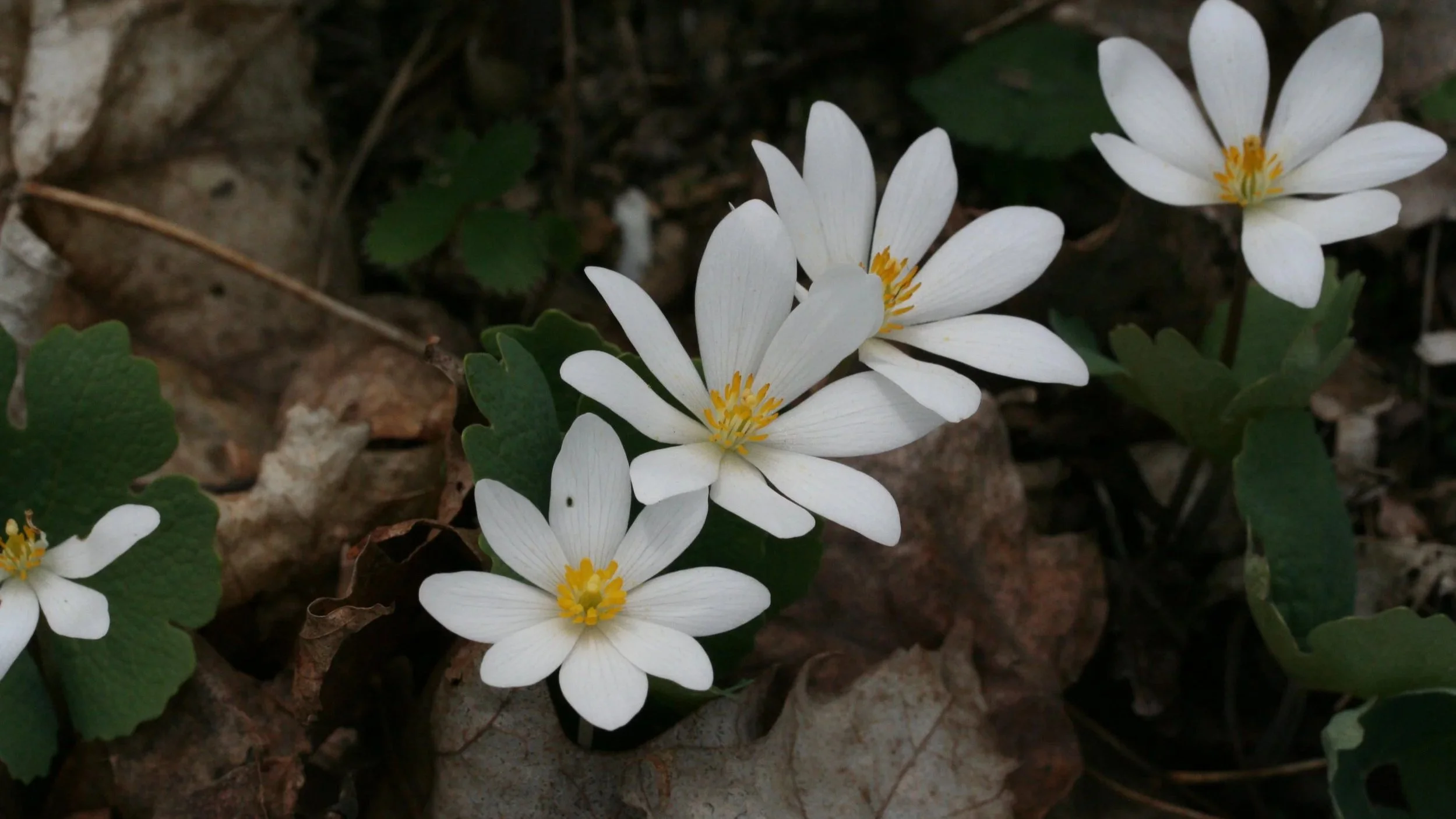
Pekon/Pukon, Bloodroot
Sanguinaria canadensis
Early spring white blooms, this groundcover is best grown in moist, well-drained soil with part to full shade. (Source)
A blood-red sap found in Bloodroot is used in ceremonial facepaint. Though toxic, parts of this uncommon plant are used to treat stomach aches and cramps. (Nanticoke Lenape Museum)
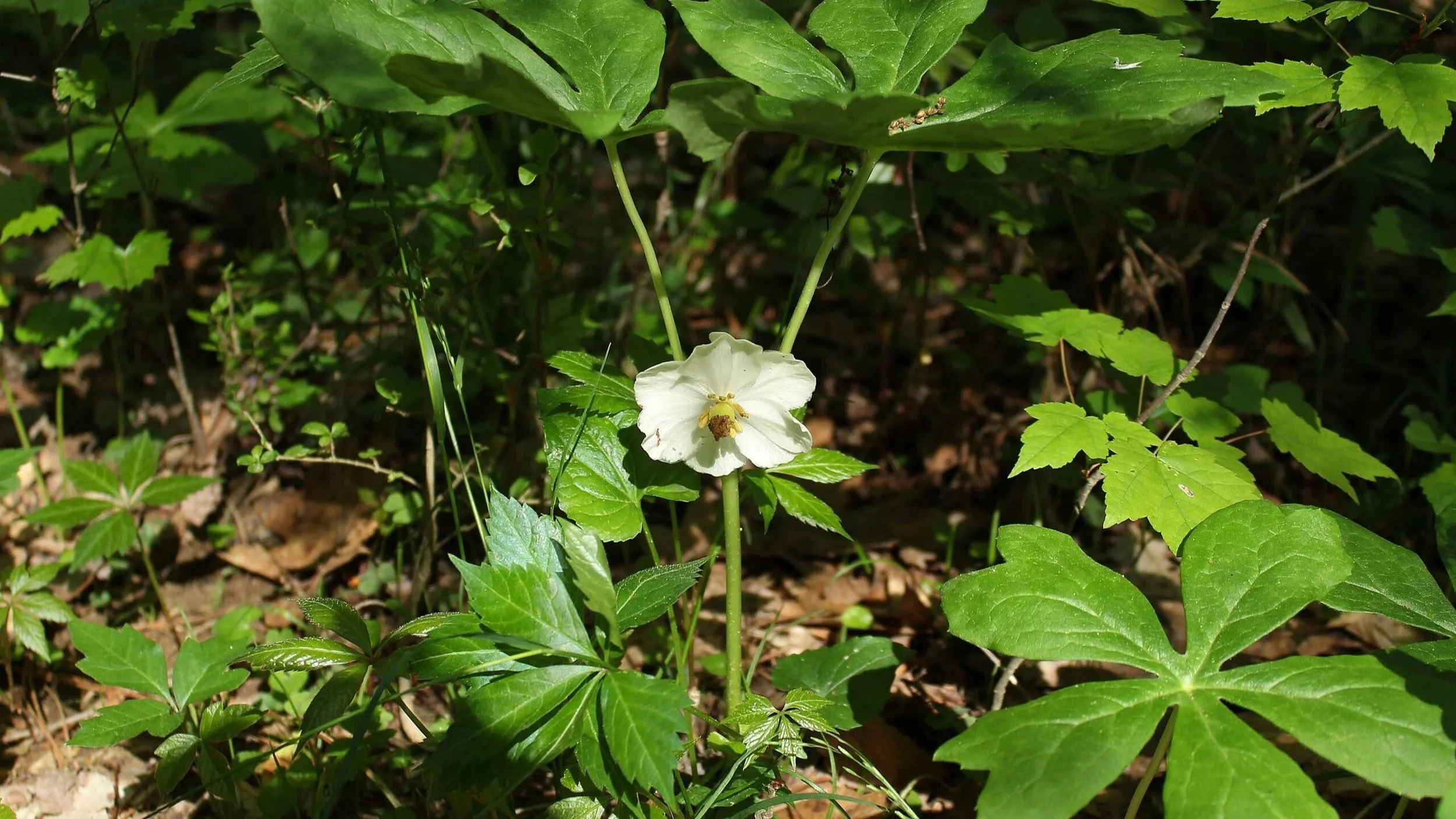
Alulhùkwèsàk, Mayapple
Podophyllum peltatum
Known for its umbrella-like leaves and white spring flowers, this rhizomatous groundcover thrives in dry shade. (Source)
This toxic plant was known to be used as a pesticide and laxative. Mayapple has a symbiotic relationship with the box turtle, which is one of the few species to pass its seeds. (Native Roots Farm Foundation)
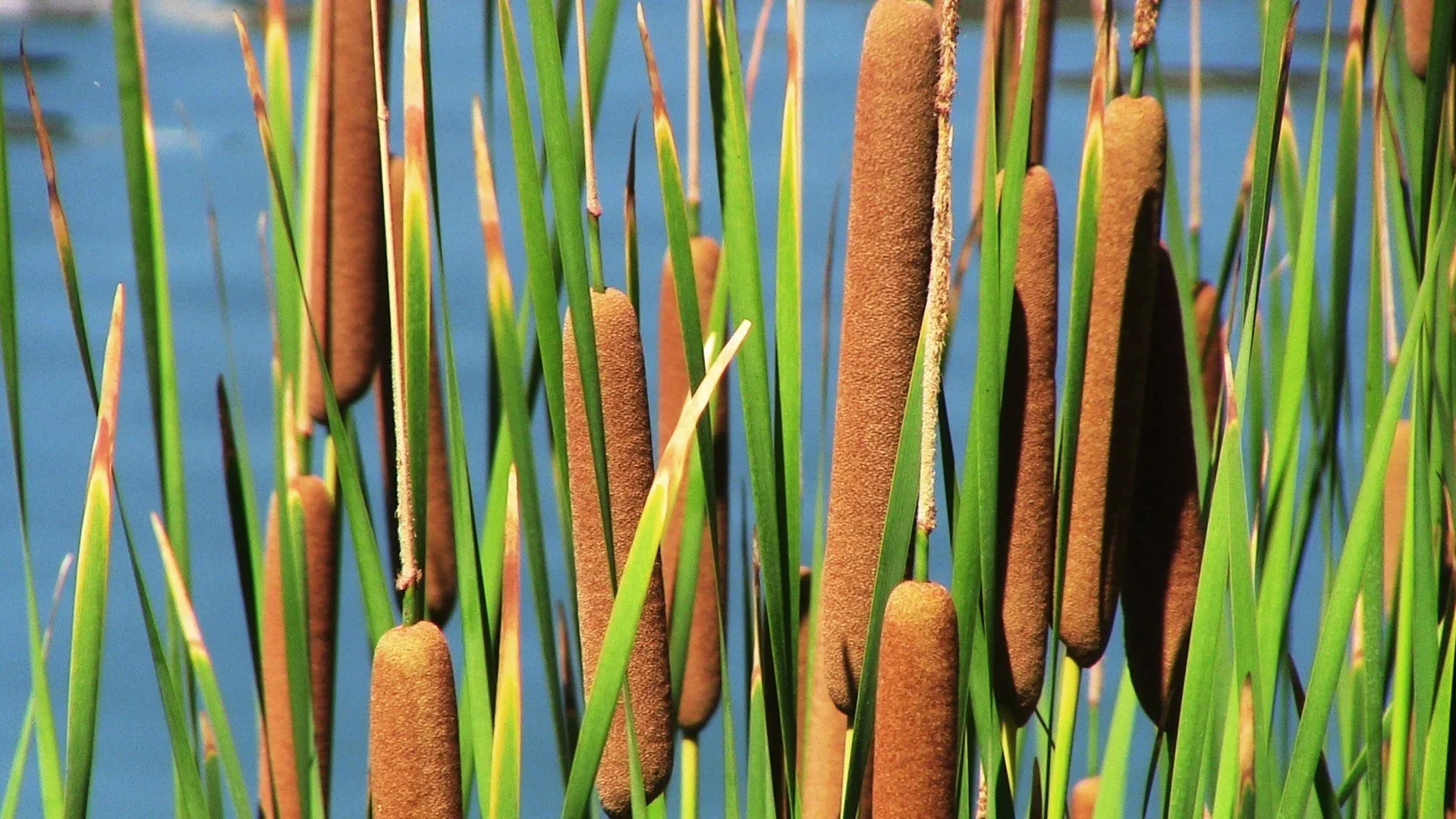
Ahpawi, Cattail
Typha angustifolia
Considered aggressive in many parts of the country, this aquatic plant grows in full/part sun and colonizes aggressively. (Source)
A versatile and useful plant, all parts of the cattail can be used: mature leaves can be woven into baskets and wigwam covering, the fluff used for tinder, and young plants as an antiseptic. (Nanticoke Lenape Museum)
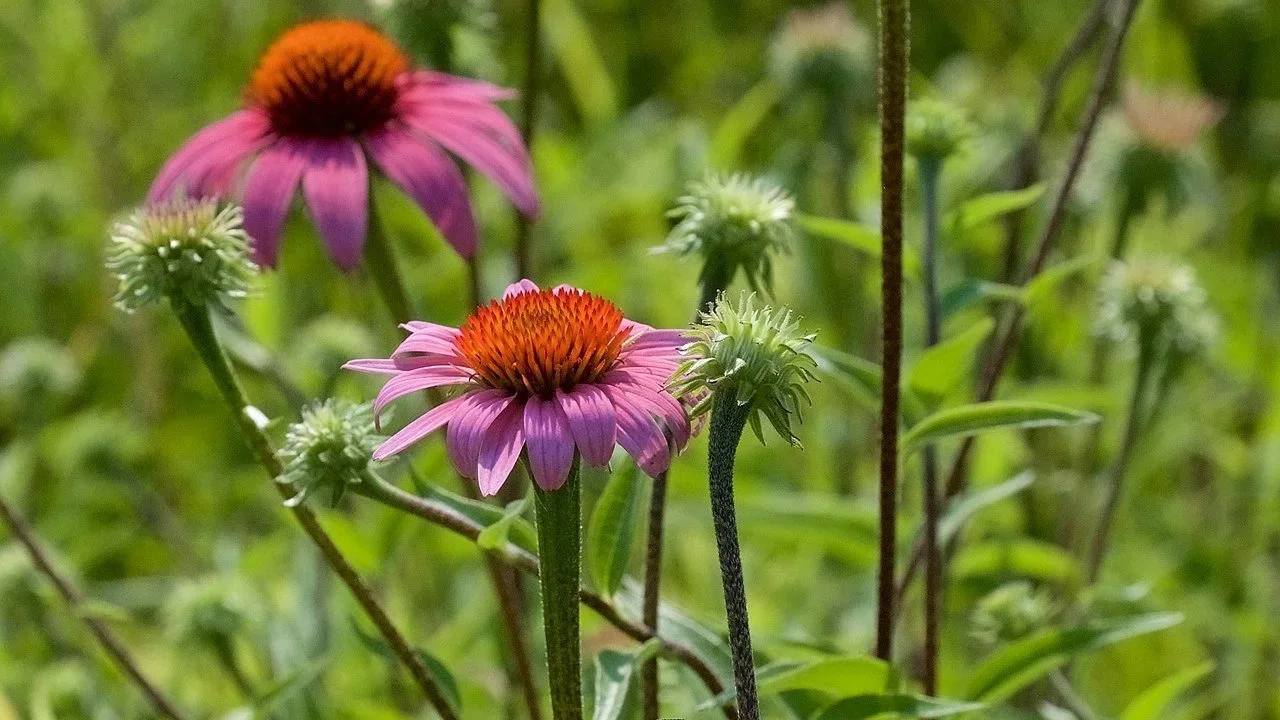
Chixamokànatae, Coneflower
Echinacea purpurea
At home in moist prairies, this full-sun pollinator favorite blooms purple with cones that last all winter. (Source)
The roots of the coneflower, known to boost one’s immune system, can be harvested and dried to make tea for cold symptoms, or applied to wounds to prevent infection. (West Windsor History)
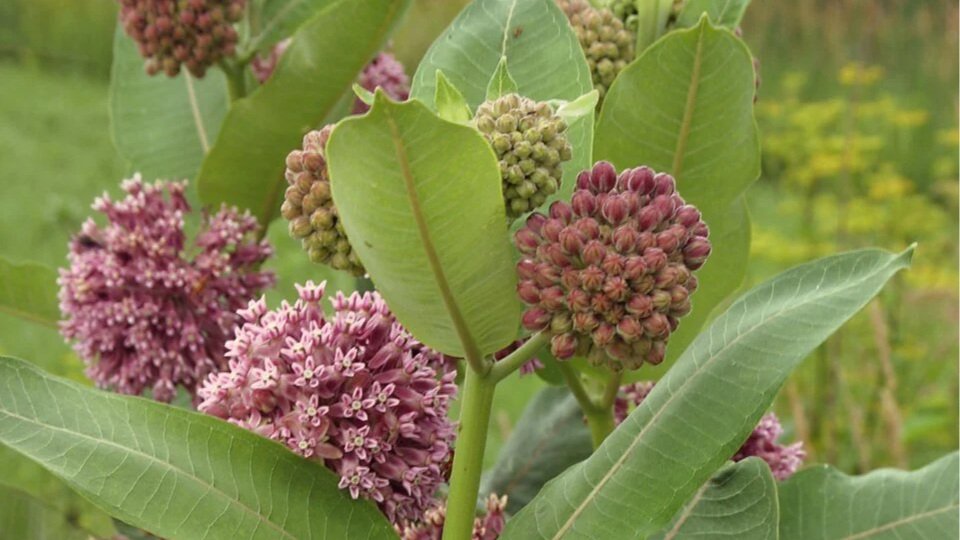
Pitukëna, Milkweed
Asclepias syriaca
Tolerating drought and sun and erosion, this fragrant and showy perennial grows rhizomally and supports monarchs. (Source)
This monarch-loving, toxic perennial can be used to treat kidney disorders and stomach pain. The inside of the stalk can be used to make string, and silk from the pods into wool. (Native Roots Farm Foundation)
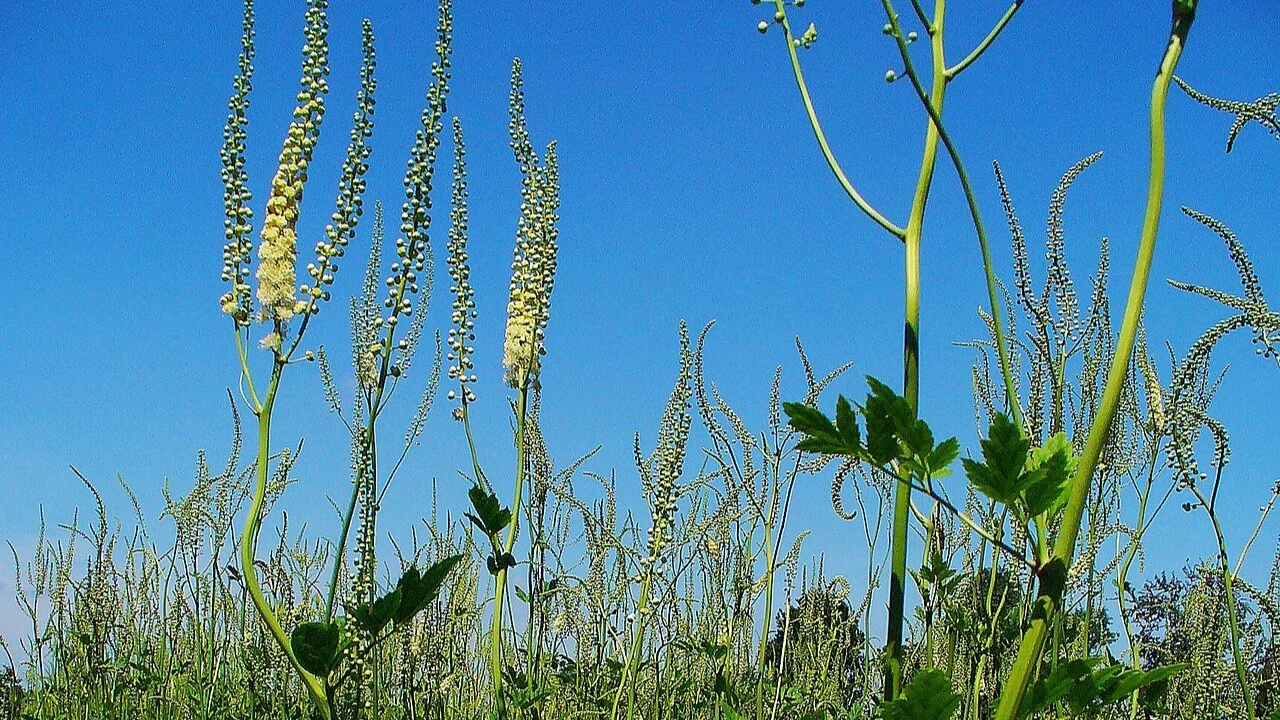
Sekkohosh, Black Cohosh
Actaea racemosa
A large herbaceous perennial (up to 8’) with late-summer fragrant flowers. Prefers med-moisture soil in part/full shade. (Source)
This large flowering perennial is made into teas that support menstrual health, such as childbirth pain and supporting reproductive health. (The Economic Botanist)
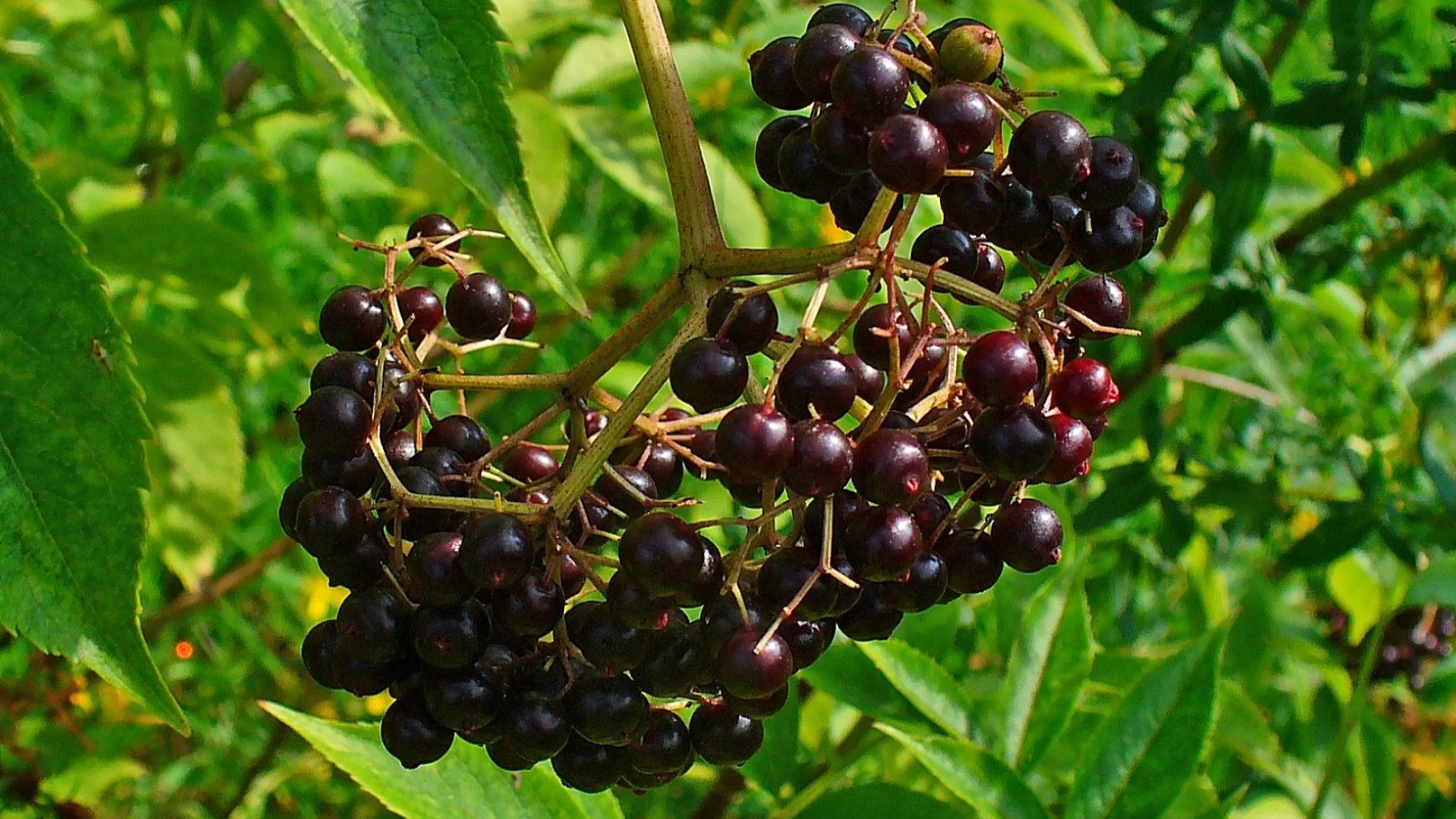
Puhwesenakwim, American Elder
Sambucus canadensis
A sprawling and suckering shrub with June lemony flowers and summer fruit. Well-drained soils, full to part sun. (Source)
This edible shrub bears flowers and fruit, rich in vitamin C, which can be made into juice or jam, dried or baked. They are a great source of food for many birds, like the cedar waxwing. (Ursinus College).
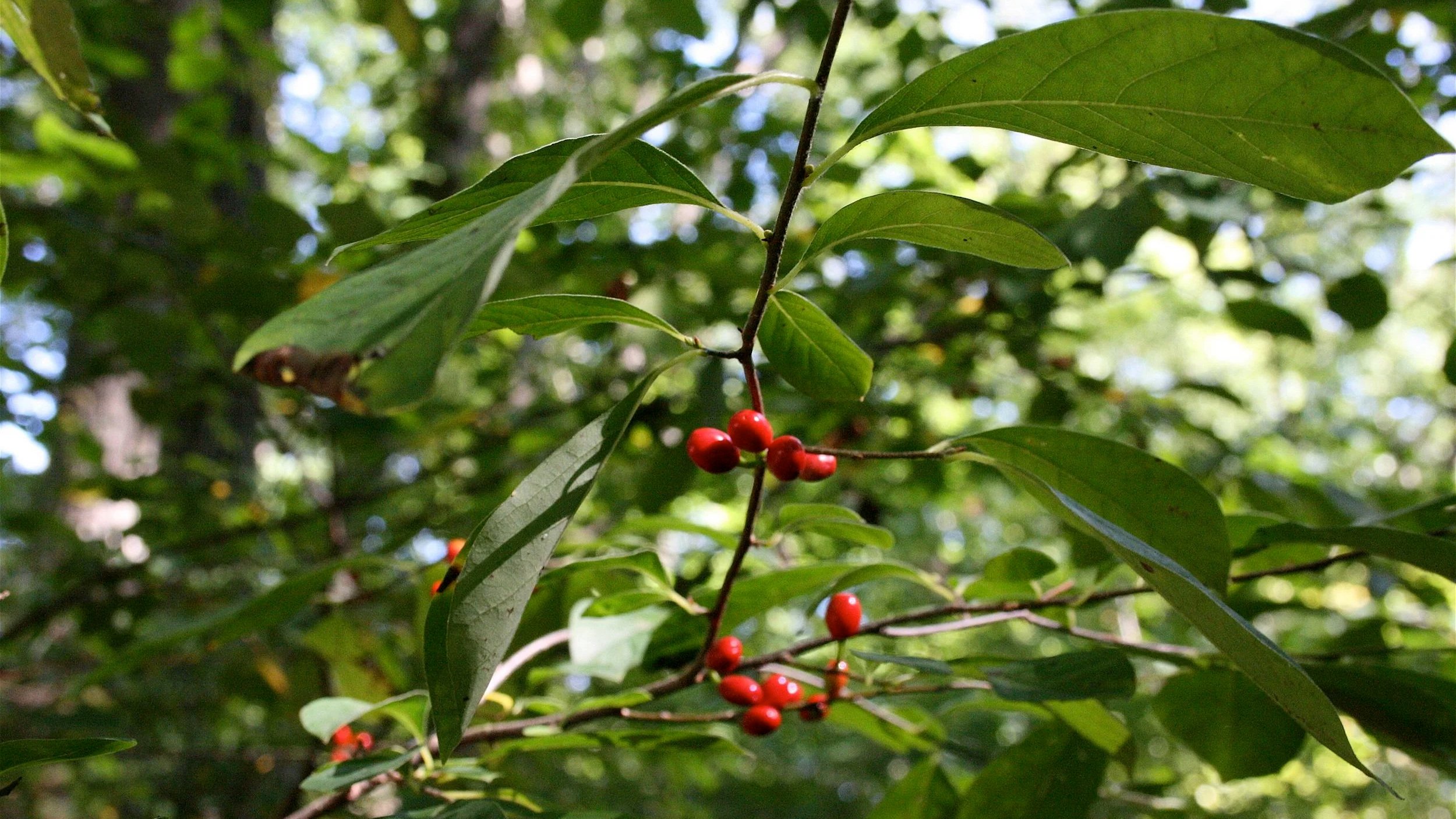
Kawënsheyok, Spicebush
Lindera benzoin
A deciduous, large shrub (up to 12’) that supports many species year-round. Best in part-shade and well-drained soil. (Source)
Spicebush features year-round interest and bounty, as its leaves, twigs, leaves, flowers, and summer fruit are all edible and are used in cooking. (Ursinus College)
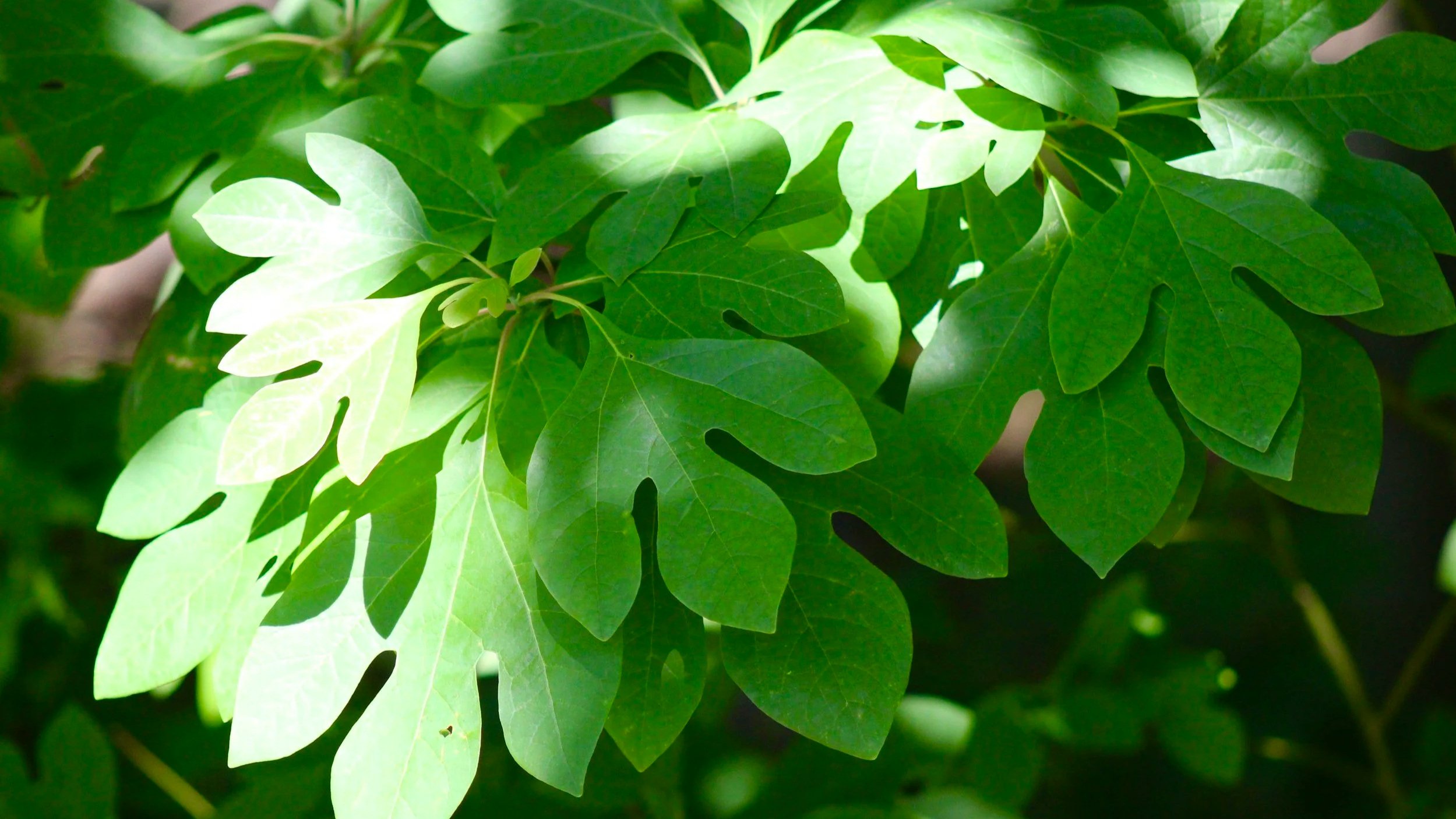
Winakw, Sassafrass
Sassafras albidum
Medium deciduous tree with great fall color, found on forest edges. Full to part sun, medium soil; tolerates sand. (Source).
Known for its many uses and three shapes of leaves, Sassafras’s roots, leaves, and bark can be used as blood thinner, pain reliever, mosquito repellant, seasoning, and dyes. (Nanticoke Lenape Museum)
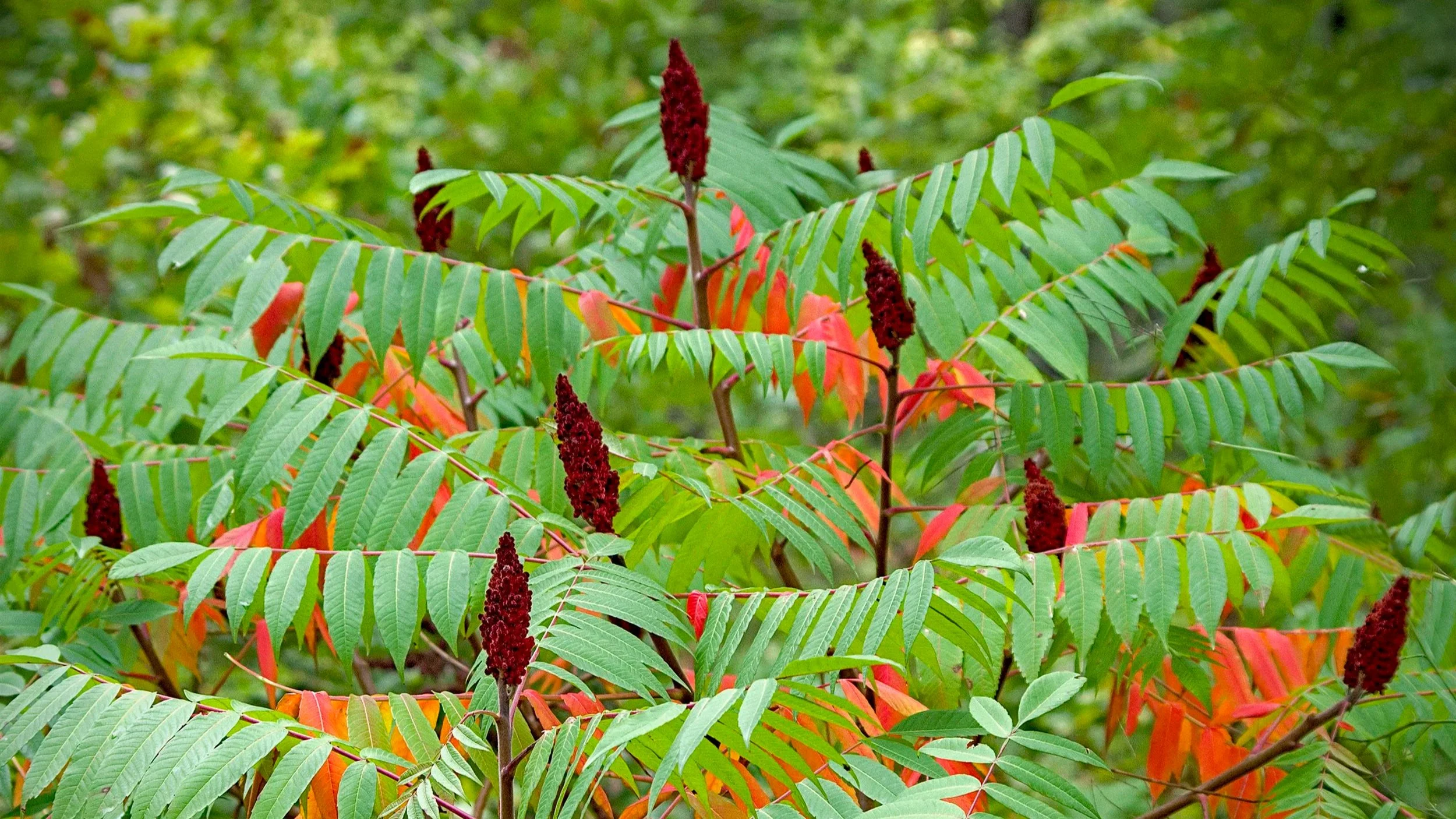
Këlëkënikwënakw, Sumac
Rhus typhina
Large deciduous shrub (up to 25’) that tolerates urban soils, like roadsides. Will spread through root suckering. (Source)
The Lenape often smoked sumac in a signature mixture with tobacco. Other uses include its leaves, berries, roots, and bark as medicinal teas and remedies. (Nanticoke Lenape Museum)
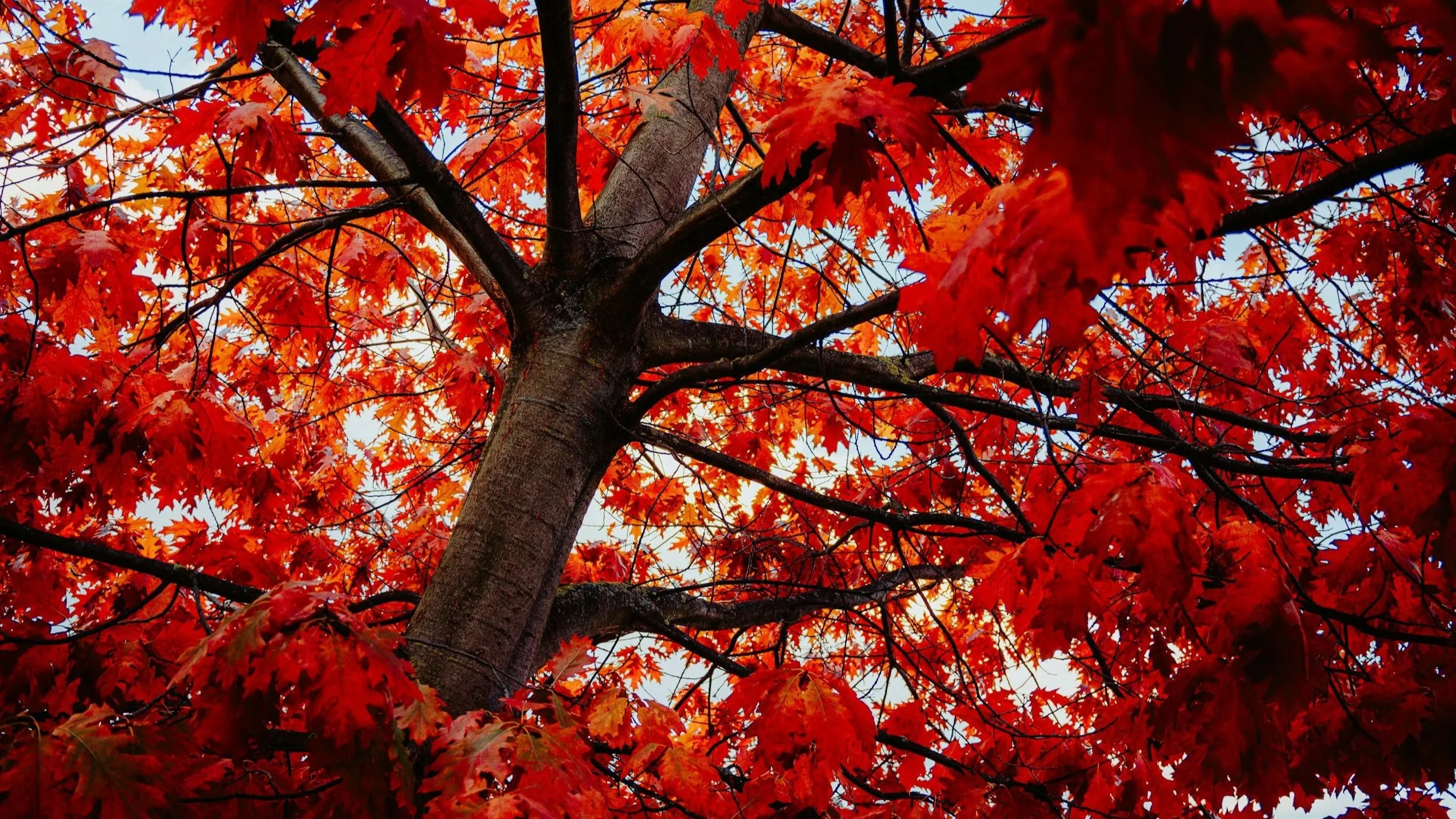
Wisahkakw, Red Oak (Acorn)
Quercus rubra
A large deciduous tree, which provides habitat and food for thousands of species of animals and insects. (Source)
The bark of an oak can be made into a tea for bowel issues and sore throats. The acorn was particularly versatile and was used to make cooking oil, porridge, and bread. (Delaware Tribe)
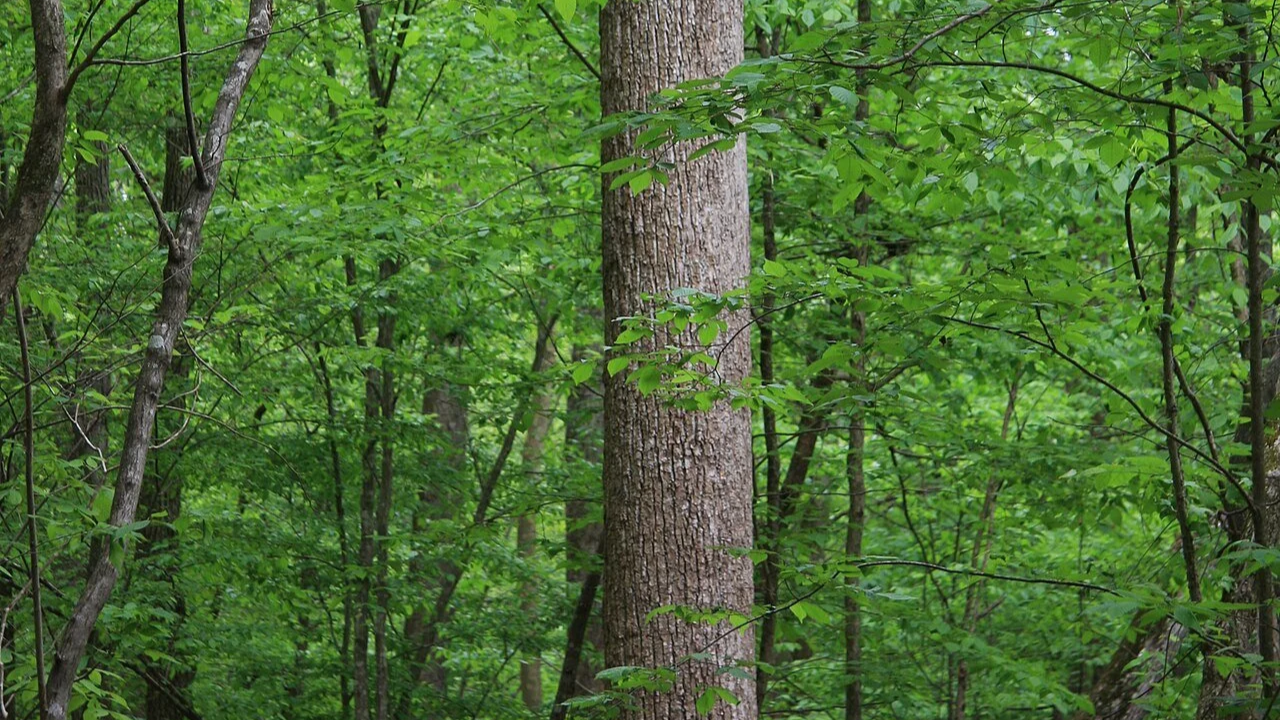
Mùxulhemënshi, Tulip Tree
Liriodendron tulipifera
This large, stately deciduous tree grows in rich woods, and is known for its bright, cup-like flowers in spring. (Source)
Most Lenape canoes were made out of hollowed-out tulip tree logs (in addition to elm, white oak, chester, and red cedar). The name literally means “tree from which canoes are made.” (Source)
Four Sacred Medicines
There are four plants that are used by many Indigenous tribes on Turtle Island (North America) for a variety of ceremonial, spiritual, and practical purposes. The Anishinaabe (Ojibwe) of the Great Lakes region revered these sacred medicines, and many of the same uses for all four are included in Lenape traditions. (Reference: Lenape Pronunciation Guide)
Thank you to Anishnawbe Mushkiki and to the Healers and Elders for the beautiful retelling.
Kwshatay, Tobacco
Nicotiana sylvestris (Cultivated, Native to Andes)
Tobacco is the first plant to be given by the Creator to the Native people. It is used in ceremonial and daily practice, tobacco opens communication with the spirit. To honor plants before taking their gifts, Native people offer tobacco as a way to activate the spirits of the plant, and share why they are picking its leaves or berries or bark. (Anishnawbe Mushkiki)
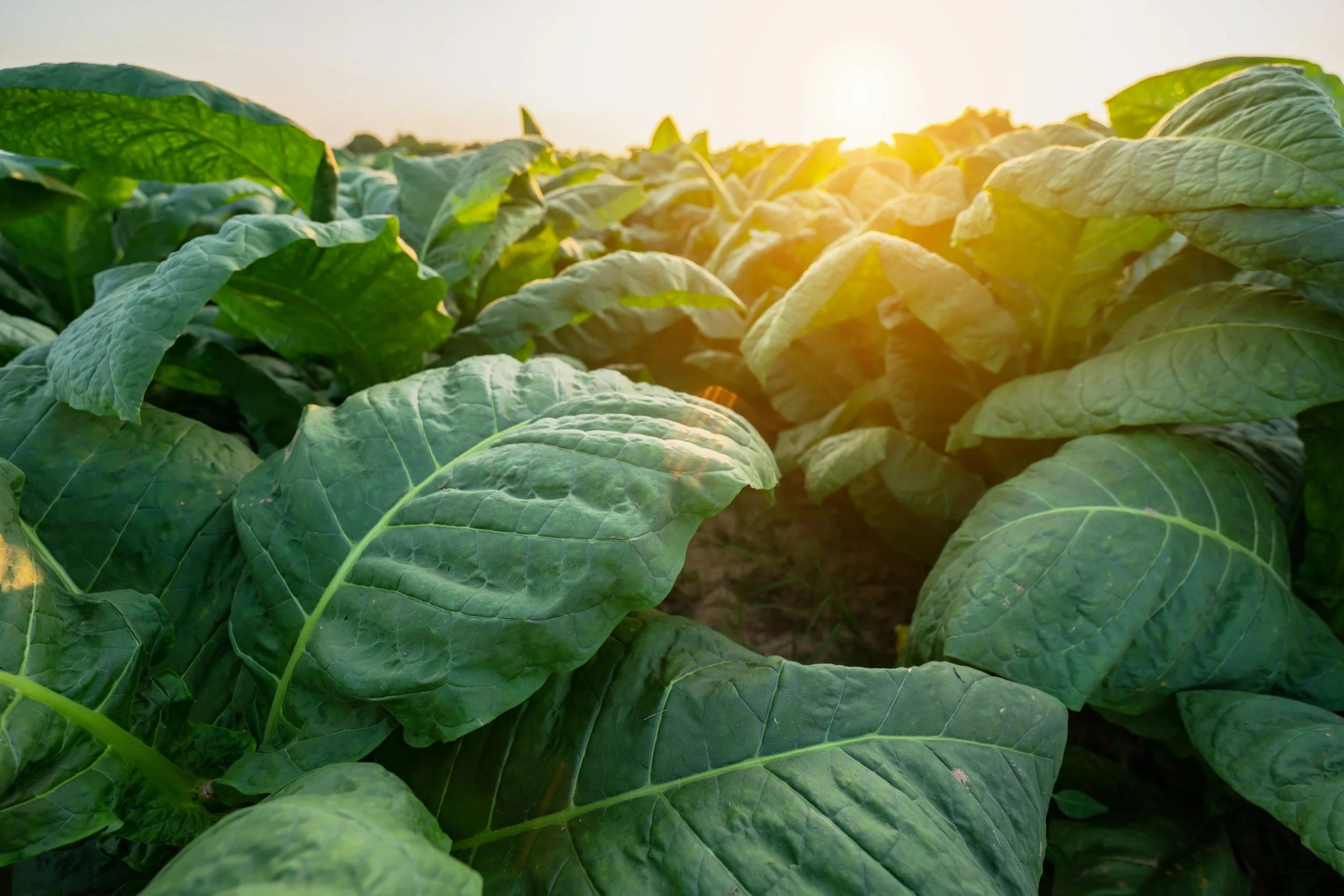
“Tobacco is one of the first medicines, and it represents the truth, and it represents the original connection with the creator.”
Curtis Zunigha, co-director of The Lenape Center (Source)
Lpwéewii-Lúnuw, Sage
Artemisia ludoviciana, and many others (North America)
Sage is a cleansing medicine, used to prepare spaces and ceremonies and remove negative energy.
Pëpxòkwës, Red Ceder
Juniperus virginia (North America)
Cedar is also used for cleansing, and its crackling sound when burning calls attention to the spirits.
Winkimakwsko, Sweetgrass
Hierochloe odorata, (North America, Northern Eurasia)
Sweetgrass is the hair of Mother Earth. It’s often braided in three strands of seven to represent the seven generations of the past, present, and future. When burned, its sweet scent reminds people of love and peace.
The Three Sisters
Indigenous people throughout Turtle Island have cultivated and carried this ingenious method of planting, where all three plants work in relationship with one another to produce a nutrient-rich and high-yield crop. (Reference: Lenape Pronunciation Guide)
Wàskwim, Corn (Maize) sprouts up and becomes a trellis for the beans,
Malàxkwsita, Beans (Fabaceae family) produce nitrogen in the soil for the others,
Kèskùnthàkw, Squash (Cucurbita genus) has large leaves that cast shade for the beans.
All three are vital to many Native diets, and can be transformed into an abundance of meals and ingredients. (NPS)
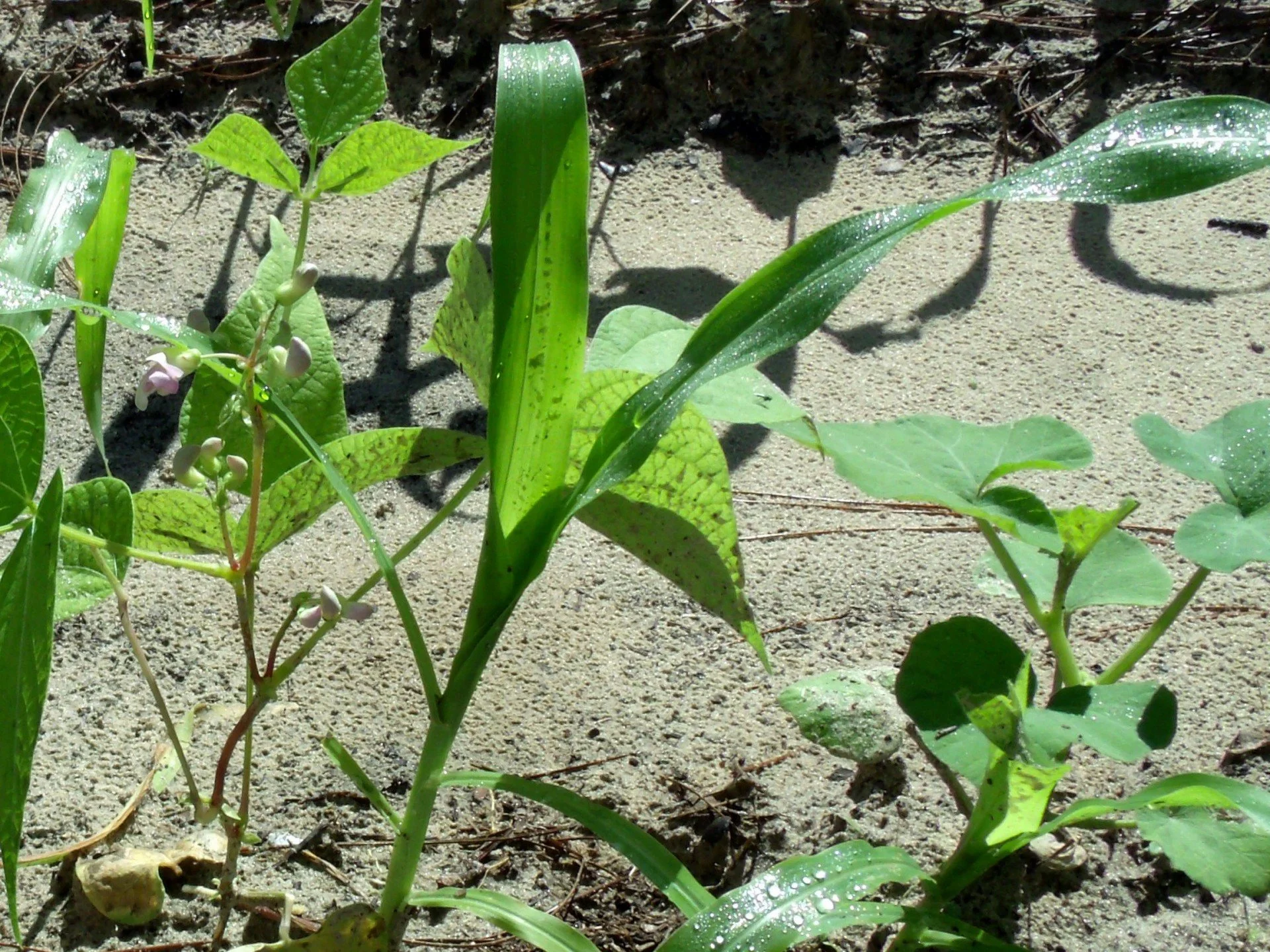
“At the height of the summer, when the days are long and bright, and the thunderers come to soak the ground, the lessons of reciprocity are written clearly in a Three Sisters garden. Together their stems inscribe what looks to me like a blueprint for the world, a map of balance and harmony.”
Robin Wall Kimmerer (Braiding Sweetgrass, pg. 131)
Start Building Relationship
In addition to the resources above, here are a few simple ways anyone can start learning more about Turtle Island and respecting our short residency and relationship with it.
Locate & Explore Your Native Land (Native-Land.ca)
Calculate Your Voluntary Land Tax (Appalachian Rekindling Project)
Use this tool to figure out a reasonable amount to give to your local tribal government or organization
Read Braiding Sweetgrass (Robin Wall Kimmerer)
‘You Are On Native Land’ Apparel Collection (Urban Native Era, REI)

Opportunity is in every landscape.
From the ground up,
Design Ecosystems with us.
Related Field Journal Post
Butterflies Aren’t Picky — We Are
