our blog
Field Journal
a collection of resources, reflections, and design stories
SITES™ Overview
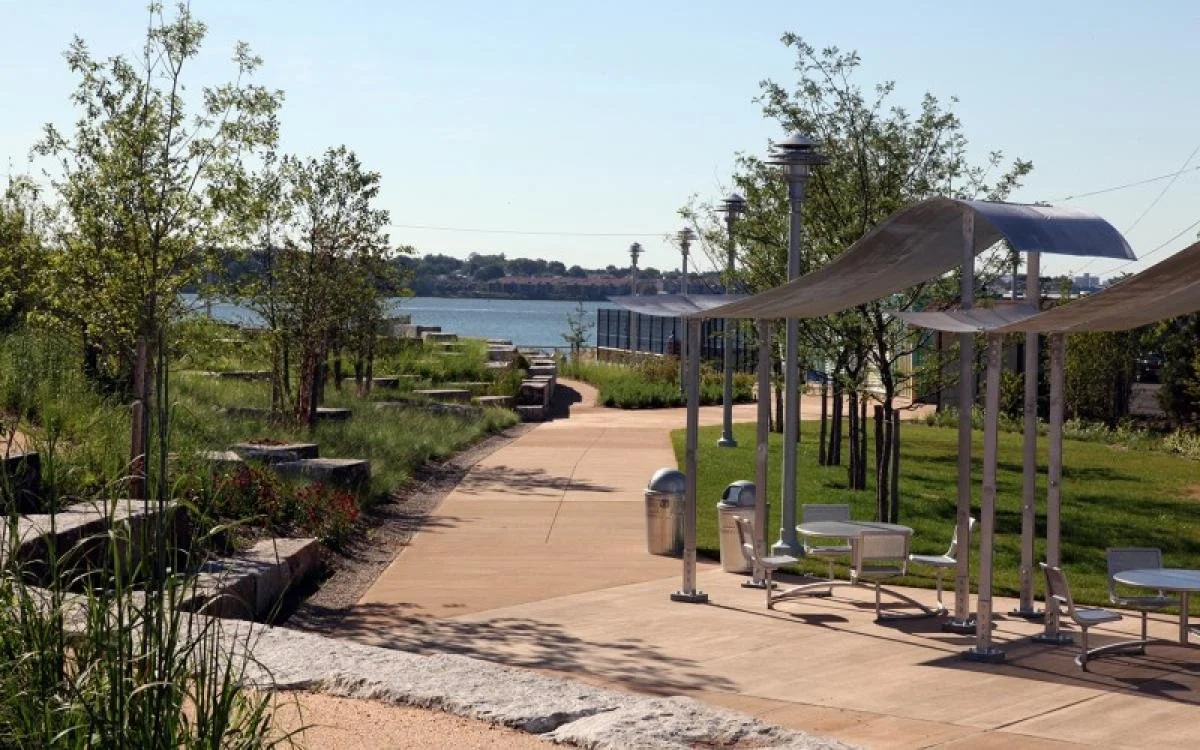
This overview article explores some of the fundamentals of the Sustainable Sites Initiative. From understanding a site’s characteristics and elements to designing with the nature of water, vegetation, and materials, these resources provide guidance and insight into sustainable landscape design practices.
As you’ll explore in Site Assessment, it’s important to take a layered approach when both understanding and designing for any landscape. This means observing and measuring characteristics of how water moves, how plants grow, how materials impact our experience. By incorporating natural systems into our design logic, we create spaces and places that last generations and embody meaning.
12 Native Plants of Lenapehoking
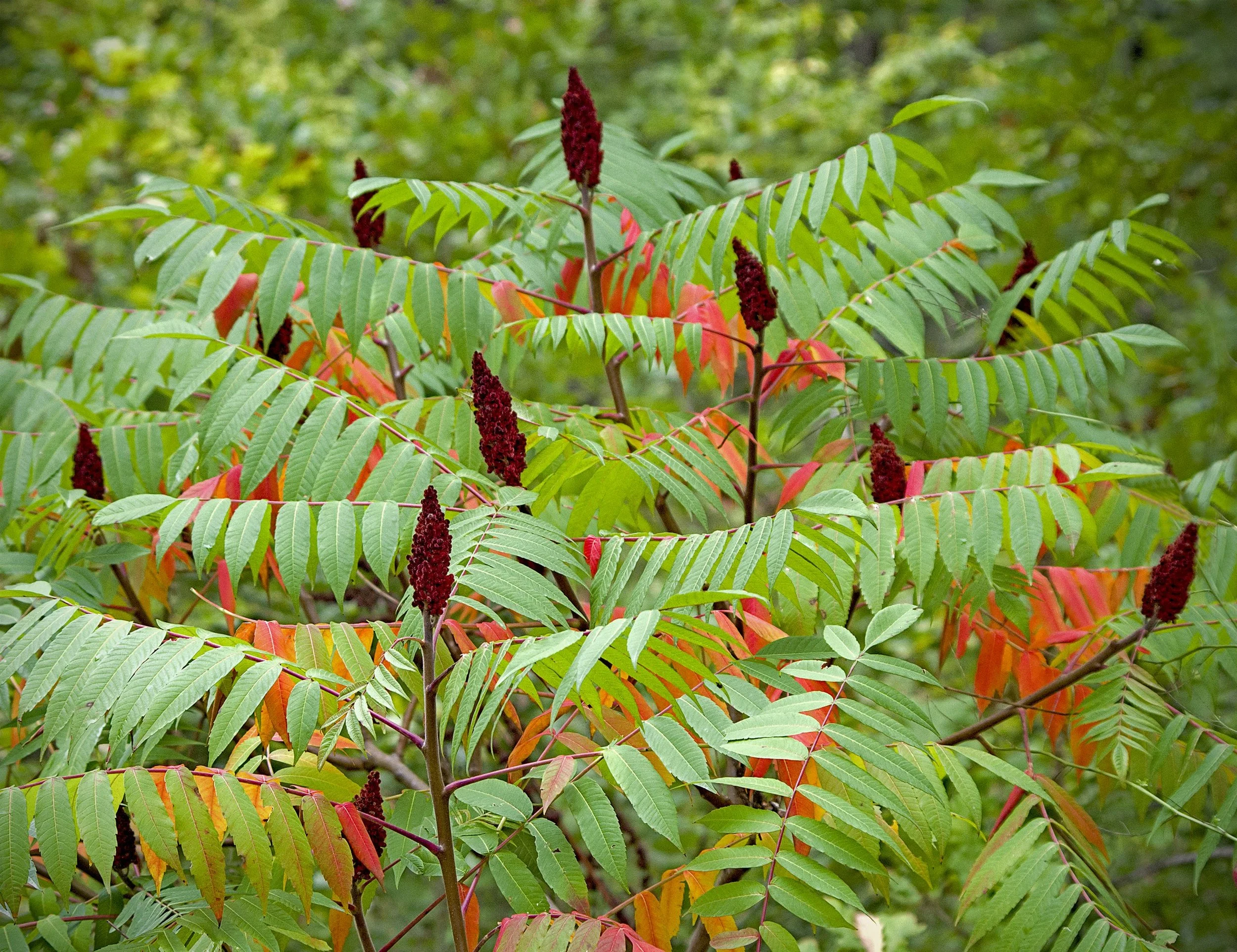
Native plants are species and communities of plants that have lived in relationship with the land and its inhabitants, long before European settlers arrived. Not only do native species “come from here” (wherever you are), their very DNA has been shaped by the regional and local environment. From the amount of annual rain to how long a growing season lasts, plants not introduced by colonists (on purpose or accidentally) have adapted characteristics alongside the land and other living organisms over thousands of years.
Handing Out Possibility
This April, we joined Liberty Science Center for their Earth Month celebrations, sharing native plants, wildflower seeds, and conversations about ecological design. Over two days, hundreds of visitors—kids and adults alike—stopped by to learn how small choices can help pollinators, build soil, and create more resilient landscapes.

Stewards in the Making
In a South Jersey schoolyard, a group of fifth graders co-designed a pollinator garden from the ground up. Through soil testing, wild sketches, native plant research, and muddy hands, they created more than just a garden — they built a living classroom, a shared project, and a small act of ecological care. Learn how we supported these young ecological designers in bringing their vision to life.