our blog
Field Journal
a collection of resources, reflections, and design stories
SITES™ Overview
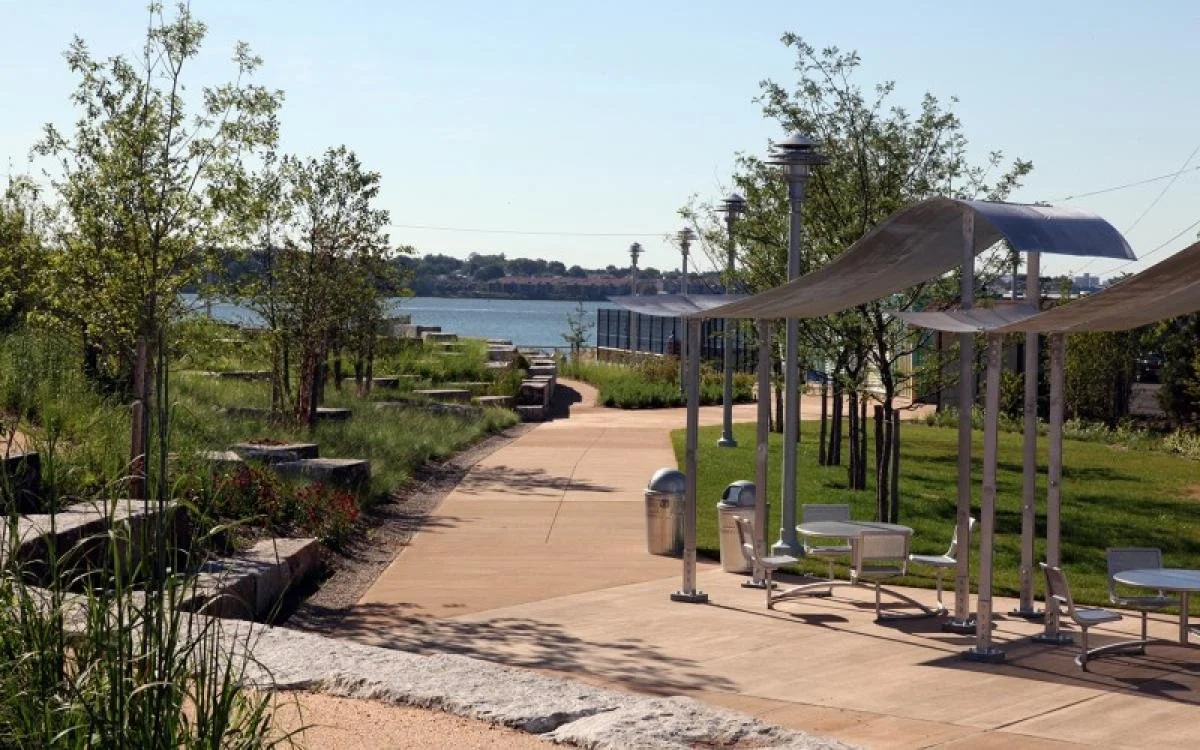
This overview article explores some of the fundamentals of the Sustainable Sites Initiative. From understanding a site’s characteristics and elements to designing with the nature of water, vegetation, and materials, these resources provide guidance and insight into sustainable landscape design practices.
As you’ll explore in Site Assessment, it’s important to take a layered approach when both understanding and designing for any landscape. This means observing and measuring characteristics of how water moves, how plants grow, how materials impact our experience. By incorporating natural systems into our design logic, we create spaces and places that last generations and embody meaning.
Site Assessment
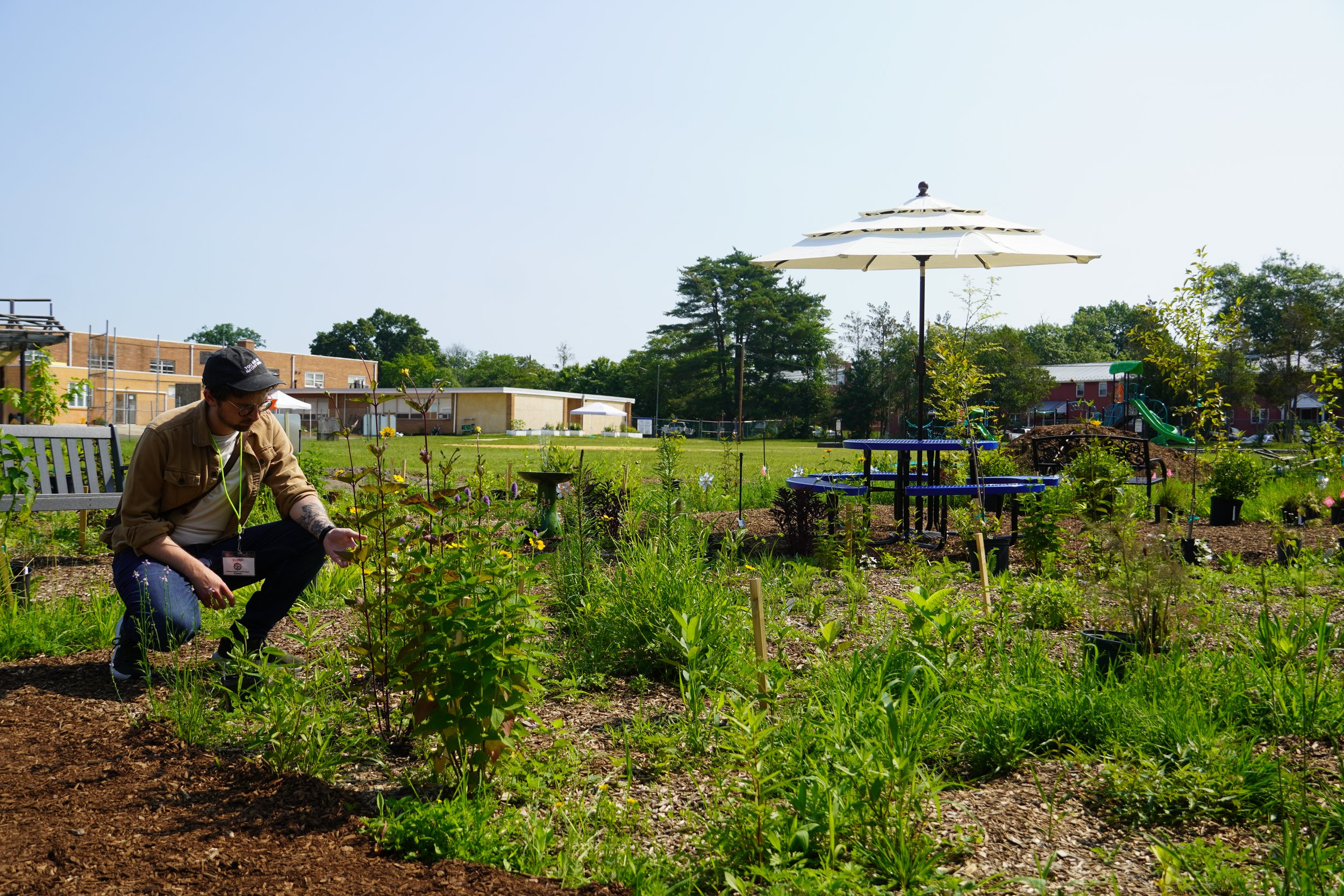
In order to achieve SITES™ accreditation, a landscape intervention must (among a few other prerequisites) maximize the opportunities for beneficial site performance by conducting an accurate and detailed assessment of site conditions and exploring options for sustainable outcomes prior to design. Each project must map existing site conditions and resources, collect information about surrounding areas (including non-physical influences like policy), and explain how this information will influence the sustainable design.
Managing Precipitation on Site
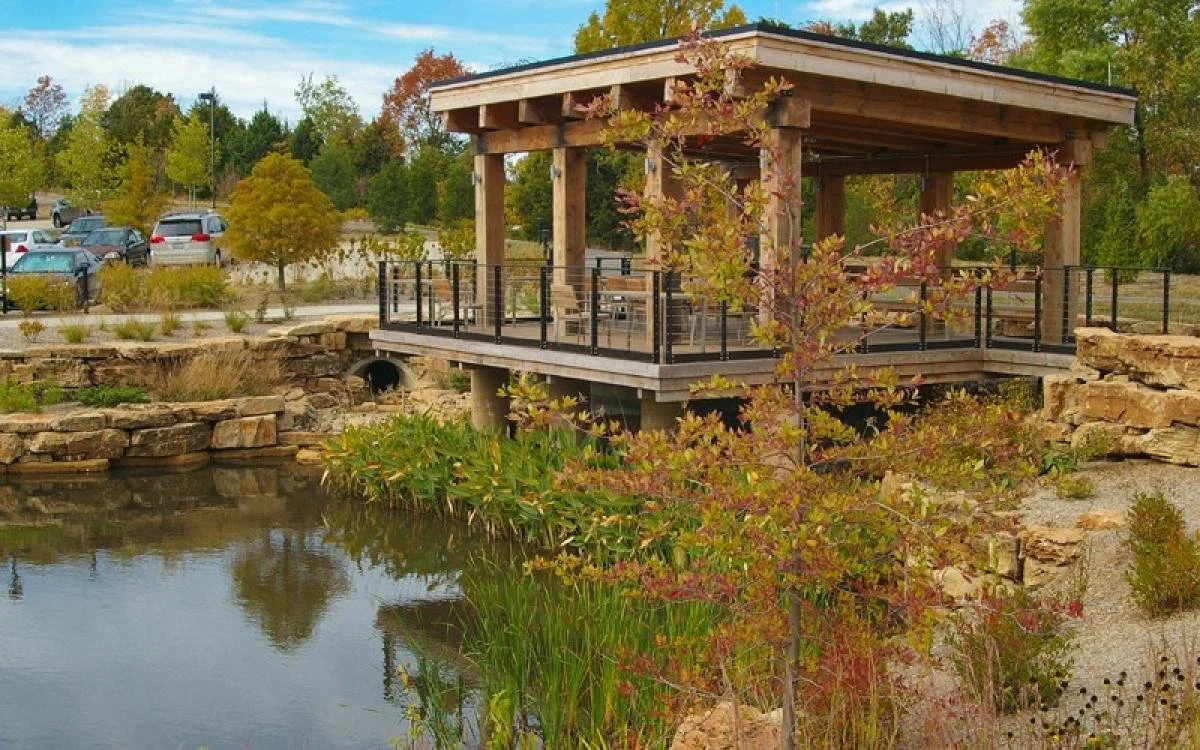
For hundreds of years, industrial, agricultural, and urban development have degraded and disrupted natural systems, increased impervious surfaces, polluted watersheds, and emitted greenhouse gasses which have resulted in the climate crisis and its alarmingly destructive weather events we experience today.
A raindrop hits the ground of a parking lot, slicks off with accelerating speed towards a gutter, collecting pollutants and litter along the way. It enters a series of concrete tubes and eventually to the ocean: never to pass through a plant’s roots or an animal’s lips all while toxifying everything downstream.
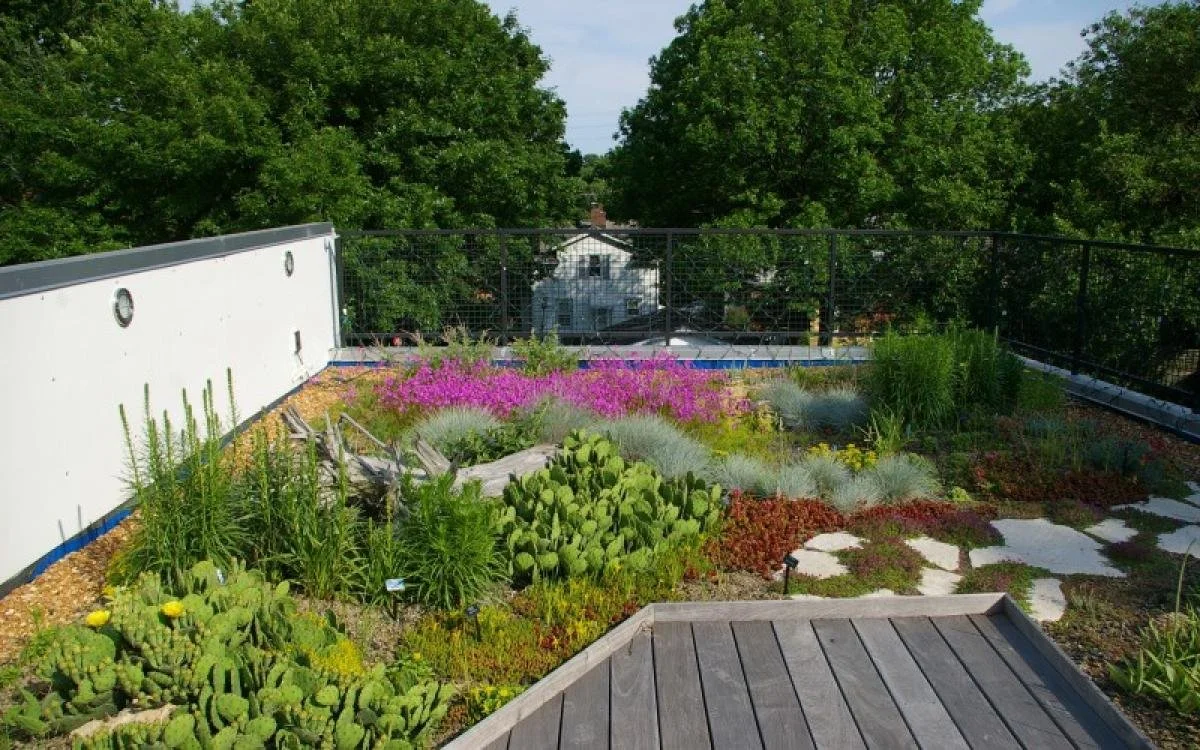
Dense, Layered, Native Planting
There are many ecosystem services that can be protected, restored, and enhanced, which we’ll explore in this and other essays. Today, we’ll focus on the vegetation life-cycle and the ways in which sustainable design can leverage the functionality of native and appropriate plants, which reduce irrigation and maintenance needs, increase habitat, and promote regional identity. By replacing lawn, hardscaping, and invasive populations with native plant communities, we create a landscape that’s as beautiful as it is functional.
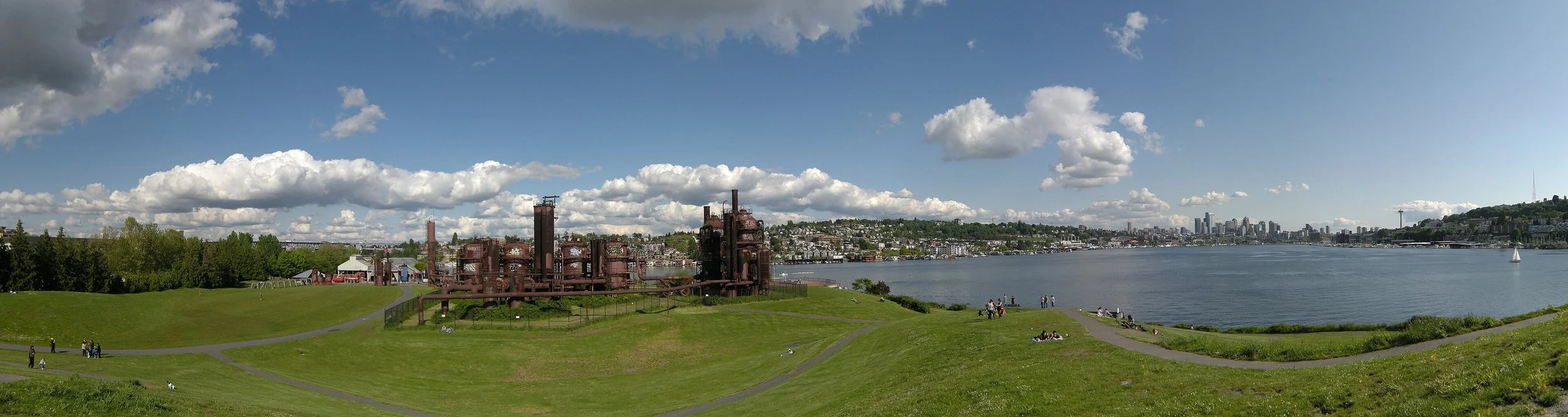
Materials Selection
Wood, stone, vegetation, earth, metal, brick, concrete, asphalt, glass, textiles, plastic… We position these elements and install them within a site to create spaces, surfaces, seating, shade, screening, walls, water, containers, railings, visual interest, lighting, and art. And each of these has nearly endless options for color, material, finish, size, hardware, assembly, and source. No matter the material, each has its own life-cycle.
The idea is to close the loop on as many material life-cycles as possible, minimizing extraction of virgin resources and adding to landfills. As many options there are for materials, there are just as many sustainable alternatives and techniques available.